
Find Everything You
Need.



Let's Make Your Vision A
Reality
At CREATIVE MEDIA AGENCY, we specialize in customizable promotional items designed to elevate your brand's visibility. With a wide range of products tailored for effective marketing campaigns, we empower businesses to make a lasting impression on their audience.
Our mission is simple: to provide innovative marketing solutions that meet and exceed our clients' needs. From branded apparel to tech gadgets, we offer a diverse selection of practical and memorable promotional items for every occasion.
Your Customizable Marketing Merchandiser
Elevate Your Brand and Leave a Lasting Impression with Personalized Promotional Solutions Tailored to Your Business Needs. Stand Out in the Market, Engage Your Audience, and Drive Results with Customizable Merchandise from BrandBoost.
Shop By Categories
Discover the perfect promotional items to elevate your brand and leave a lasting impression with our Shop by Category section. Whether you're looking for branded apparel, tech gadgets, office essentials, or eco-friendly products, we have everything you need to make a statement in your marketing campaigns.


What Client Our Says About Us

Company Name should look
for ones that are specific,
detailed, and highlight the
unique benefits of working with
the company.
Alex John Martin
Manager
Company Name should look
for ones that are specific,
detailed, and highlight the
unique benefits of working with
the company.
Alex John Martin
Manager
Company Name should look
for ones that are specific,
detailed, and highlight the
unique benefits of working with
the company.
Alex John Martin
Manager
Frequently Asked Question
Welcome to our FAQs section, where we address common questions and provide helpful answers about our services as a marketing merchandiser specializing in customizable promotional items. Whether you're new to promotional merchandise or a seasoned marketer looking to enhance your brand's visibility, our FAQs are here to provide clarity and guidance.

Can I customize the promotional items with my company logo?
Yes, we offer customization options to showcase your brand identity.
What types of promotional items do you offer?
We provide a diverse range of customizable merchandise for marketing.
What is the minimum order quantity for personalized items?
Minimum order quantities vary depending on the selected product.
How long does it take to receive my customized items?
Production times vary but are typically within 7-10 business days.
Do you offer rush shipping options for urgent orders?
Yes, we offer expedited shipping options for time-sensitive orders.
See Our Latest Blogs
Stay up-to-date with our latest insights, tips, and trends by diving into our newest blogs. Whether you're seeking industry expertise, marketing strategies, or product inspiration, our blog section is your go-to resource for valuable content.
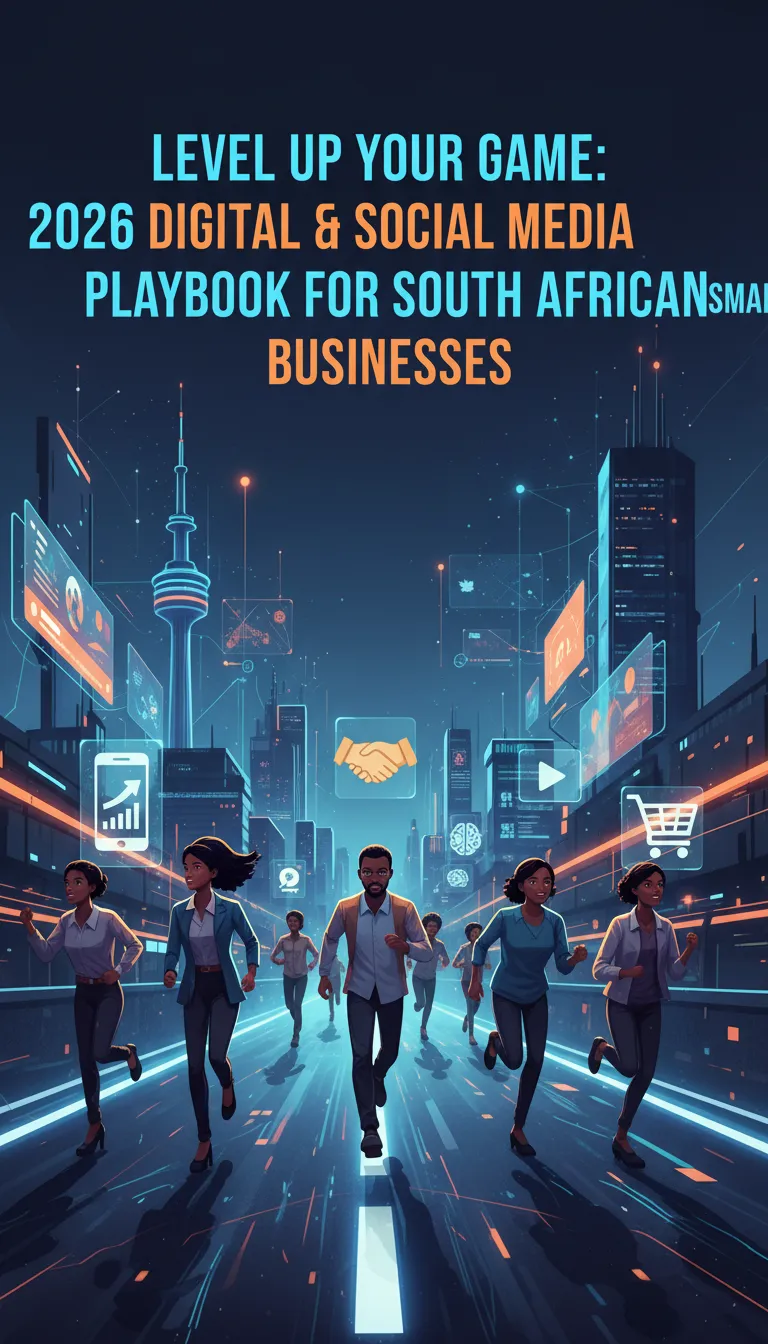
Digital & Social Media Marketing Trends for 2026
Level Up Your Game: The 2026 Digital & Social Media Playbook for South African Small Businesses
This blog article examines the digital and social media marketing landscape for South African Small and Medium Enterprises (SMEs) in 2026. It identifies key trends, challenges, and opportunities, offering actionable insights for SMEs to improve their online presence and foster business growth.

Digital & Social Media Marketing Trends for 2026
Level Up Your Game: The 2026 Digital & Social Media Playbook for South African Small Businesses
Authenticity & Social Responsibility
A Practical Guide for South African Service-Based Businesses
Introduction: Why 2026 Is a Turning Point for Small Businesses in South Africa
The Evolution of Digital Marketing in South Africa (Why This Matters)
The Digital Landscape in South Africa
II. South African Digital Marketing Evolution
Dial-Up Days (Late 90s/Early 2000s)
Growing Pains & Social Awakenings (Mid-2000s to 2010s)
The Acceleration Lane (Late 2010s - Present)
The Early Days: Slow Internet & Simple Websites
The Acceleration Phase (Where We Are Now)
Trend #1: Simplicity Is the New Strategy
Mobile Is Not Optional — It’s Everything
What Smart Businesses Are Doing
“Which of these actually bring me leads or sales?”
What This Means for Service Businesses
Trend #2: From “Online Presence” to Digital Ecosystems
Your Website Is Your Digital Home Base
Your Website Is Your Most Important Asset (Again)
What this looks like in practice
Why Websites Matter More Than Social Media
What a “Smart Website” Looks Like in 2026
Trend #3: AI-Powered Automation Becomes a Business Essential
Automation Is Becoming Normal (And Necessary)
First-Party Data & Direct Relationships
Why email and owned platforms matter more than ever
Automation Is About Saving Time, Not Replacing People
Why Automation Matters for Small Businesses
Trend #4: Trust-Based Content Over Viral Content
Why virality is losing relevance
Trust Is the Real Marketing Currency
Video Builds Faster Connection Than Text
What This Means for Service Businesses
Trend #5: Social Media Is About Visibility — Not Conversion
The myth of “being everywhere”
What Social Media Is NOT Good At
Trend #6: Education-Based Marketing Is Winning
Education-Based Marketing Builds Authority
What Education-Based Marketing Looks Like
Trend #7: Local SEO Is More Powerful Than Ever
SEO Is Evolving — Not Disappearing
SEO in 2026 is about experience, not tricks
Local SEO Is a Game Changer for Service Businesses
What this means for service-based businesses
What Helps You Show Up Locally
Trend #8: Communities Are Replacing Cold Audiences
Trend #10: Simplicity Wins in Design & Messaging
Marketing Systems Over Marketing Campaigns
Why one-off efforts don’t work anymore
Final Thoughts: What Matters Most in 2026
How to Apply These Trends Without Overwhelm
TOP Essential Digital Marketing Tools for 2026🚀
Challenges and Potential Hazards⚠️
The Challenges to Watch in 2026
Future Trends (Crystal Ball Gazing)🔮
Action Plan for Digital Domination✅
Ready to Grow Smarter in 2026?
Here are a few Frequently Asked Questions to help you make better decisions in 2026:
1. What are the most important digital marketing trends of 2026?
2. How can small service-based businesses apply digital marketing trends in 2026?
3. Is social media still important in 2026?
4. Does SEO still matter with AI search tools?
5. What is the biggest mistake businesses make with digital marketing in 2026?
Key Findings for 2026💡
Mobile Dominance
Mobile devices are the primary internet access method for most South Africans, necessitating a mobile-first design and optimisation strategy for SMEs.
Personalization Imperative
Consumers expect personalised experiences, making data-driven marketing and AI-powered insights crucial for effective targeting.
Video Content Supremacy
Short-form video drives high engagement, requiring SMEs to invest in authentic, locally relevant video content.
Micro-Influencer Marketing
Micro and nano-influencers provide cost-effective and authentic reach within specific niches.
Authenticity & Social Responsibility
South African consumers value brands demonstrating authenticity, cultural relevance, and social responsibility.
AI and Automation
AI tools can automate tasks, personalise experiences, and offer insights, but human oversight and strategic thinking remain essential.
A Practical Guide for South African Service-Based Businesses
Written for small business owners, consultants, coaches, and service providers who want to grow online — without confusion, tech overwhelm, or wasting money.
Introduction: Why 2026 Is a Turning Point for Small Businesses in South Africa
The way small businesses grow online has changed forever.
In the past, you could post a few times on social media, boost a post, and wait for enquiries to come in. But in 2026, that approach no longer works — especially for service-based businesses in South Africa.
Why 2026 Is a Defining Year for South African Businesses?
The digital world in South Africa is changing fast — and 2026 is a turning point.
For service-based businesses, being “online” is no longer enough. To grow, you need a clear digital footprint, strong trust signals, and systems that work even when you’re offline.
South African entrepreneurs face unique challenges:
Load shedding
Limited time and budgets
Mobile-first audiences
A wide mix of cultures, languages, and buying habits
But these challenges also create opportunities.
In 2026, the businesses that win are not the biggest or the loudest — they are the smartest, clearest, and most consistent.
This guide breaks down the most important digital and social media marketing trends for 2026, based on real insights from the South African market, and explains what they mean for service-based businesses in simple, practical terms.
📩Download our Digital Marketing Playbook for 2026
The Evolution of Digital Marketing in South Africa (Why This Matters)

The Digital Landscape in South Africa
The digital world is rapidly evolving, significantly impacting South African small businesses and service providers. In 2026, success online requires a smart, authentic, and mobile-centric approach, focusing on growth, resilience, and resonant digital footprints. The key is orchestrating engagement that truly connects with the South African audience.
II. South African Digital Marketing Evolution
Dial-Up Days (Late 90s/Early 2000s)
The internet was a novelty with basic websites and simple banner ads, characterised by slow downloads and high phone bills.
Growing Pains & Social Awakenings (Mid-2000s to 2010s)
The proliferation of mobile phones and the arrival of platforms like Facebook led to widespread internet adoption. Digital marketing became more serious with multiple channels and SEO. This era was marked by experimentation and understanding the power of connection.
The Acceleration Lane (Late 2010s - Present)
The COVID-19 pandemic accelerated e-commerce, established video as dominant, and highlighted data-driven marketing and influencers. The shift was from static to dynamic platforms, from broadcasting to engagement, and from passive presence to active participation.
To understand where digital marketing is going, we must understand where it comes from.
The Early Days: Slow Internet & Simple Websites
In the late 1990s and early 2000s, websites were basic, slow, and mostly informational. Digital marketing was limited to banner ads and email lists.
The Social Media Boom
As mobile phones became more common, platforms like Facebook changed everything. Businesses started experimenting with social media, websites, and search engines.
The Acceleration Phase (Where We Are Now)
COVID-19 pushed businesses online faster than expected. Video content exploded. Online shopping increased. Customers became more selective.
2026 marks the next phase:
From being online → to building smart digital systems.
Customers are more careful. Competition is higher. Attention spans are shorter. And technology is moving faster than ever.
The good news?
You don’t need to be more technical, more trendy, or more online than everyone else.
You need to be smarter, more intentional, and better positioned.
For South African service-based businesses, the digital landscape has undergone a dramatic shift. Audiences are more selective. Platforms are more crowded. Attention is more expensive. And yet, the opportunity has never been bigger for businesses that understand how to use the digital marketing trends of 2026 strategically.
This year marks a clear divide:
Businesses that rely on random posting, manual follow-ups, and disconnected tools will feel stuck.
Businesses that build smart digital ecosystems will grow consistently and with confidence.
In this practical guide, we break down the digital marketing trends of 2026 that actually matter — without jargon, hype, or overwhelm — and show you how to apply them in real, achievable ways for service-based businesses in South Africa.
Trend #1: Simplicity Is the New Strategy
In 2026, the most successful businesses are not doing more — they are doing less, better.
Many small business owners are overwhelmed because they use:
Too many apps
Too many platforms
Too many disconnected tools
This leads to confusion, burnout, and inconsistent results.
What’s Changing in 2026?
Businesses are moving towards:
One main website
One main system
One clear customer journey
Instead of juggling 10 tools, smart businesses are choosing all-in-one platforms that handle:
Websites
Forms
Email
CRM (customer tracking)
Automations
Mobile Is Not Optional — It’s Everything

In South Africa, most people access the internet on their phones.
That means:
Your website must load fast
Buttons must be easy to tap
Text must be easy to read on small screens
Simplicity Beats Complexity

Many business owners are overwhelmed by:
Too many tools
Too many platforms
Too many marketing “rules”
In 2026, successful businesses simplify.
What Smart Businesses Are Doing
Instead of using 10 different tools, they use one connected system that handles:
A SMART Website
Integrated Forms
Automated Emails
Easier Customer tracking
Automated Follow-ups
This saves time, reduces mistakes, and improves customer experience.
💡HubSpot explains what a digital marketing ecosystem actually looks like for modern businesses
Action Tip:
List all the tools you use. Ask:
“Which of these actually bring me leads or sales?”
Remove what’s not helping.
What This Means for Service Businesses
If your website works well on a computer but poorly on a phone, you are losing customers.
Simple rule for 2026:
If it doesn’t work on mobile, it doesn’t work at all.
Action Tip:
Open your website on your phone and try to:
Find your services
Contact you
Book or enquire
If it feels difficult, your customers feel the same.
If your business feels messy online, that’s not a personal failure — it’s a system problem.
2026 is the year to simplify, not complicate.
Action Step:
Ask yourself:
“If a new customer finds me today, is the next step clear and easy?”
If not, your first priority is clarity, not content.
🌐 GET A SMART WEBSITE THAT SUPPORTS VISIBILITY, TRUST AND CONVERSIONS
Trend #2: From “Online Presence” to Digital Ecosystems
Why this matters in 2026
Having a website and social media pages is no longer enough. In 2026, successful businesses operate within a connected digital ecosystem — where every touchpoint works together.
The digital marketing trends of 2026 show a strong shift away from fragmented tools toward all-in-one systems that connect:
Websites
Social media
Email marketing
Lead capture
Automations
Client communication
Instead of chasing leads across platforms, your ecosystem does the work for you.
💻 GET ACCESS TO OUR ALL-IN-ONE BUSINESS AND MARKETING PLATFORM FOR YOUR BUSINESS
Your Website Is Your Digital Home Base

Social media helps people find you — but your website helps them trust you.
💡Read more on high-authority insights about ecosystems-based digital growth
In 2026, your website must:
Clearly explain what you do
Show who you help
Build trust
Capture leads automatically
A good website works 24/7, even when you are busy, offline, or asleep.
Your Website Is Your Most Important Asset (Again)
Action Tip:
Your homepage should answer these 3 questions in 5 seconds:
What do you do?
Who do you help?
What should I do next?
What this looks like in practice
A website that captures leads automatically
Forms that trigger email or WhatsApp follow-ups
Booking systems that sync with reminders
Content that feeds directly into nurture sequences
👉 If your website doesn’t guide visitors toward action, it’s time to rethink your setup.
For years, social media stole the spotlight.
In 2026, websites are back at the centre of business growth — especially for service providers. Salesforce talks about simple, non-technical explanations suitable for service businesses in their marketing for 2026.
Why Websites Matter More Than Social Media
Social platforms:
Change their rules often
Limit who sees your content
Can suspend or restrict accounts
Your website:
Belongs to you
Works 24/7
Converts visitors into leads
What a “Smart Website” Looks Like in 2026
A modern website is not just pretty — it must:
Explain what you do clearly
Show who you help
Build trust
Capture leads automatically
Guide visitors to the next step
Your website should work like a digital salesperson, not an online brochure.
Action Step:
Test your website by answering this in 5 seconds:
“What problem do you solve, and who do you help?”
If it’s not clear, visitors will leave.
Trend #3: AI-Powered Automation Becomes a Business Essential
AI is no longer optional
One of the most dominant digital marketing trends of 2026 is the normalisation of AI and automation — not as a “nice-to-have,” but as a core operational tool.
AI is now used to:
Respond to enquiries faster
Segment and personalise communication
Schedule and optimise content
Improve follow-up consistency
Analyse customer behaviour
For service-based businesses, this means less admin and more income-producing activity.
The real advantage
Automation doesn’t replace human connection — it protects it.
By automating repetitive tasks, you free up time to:
Serve clients better
Focus on strategy
Build relationships
Scale without burnout
👉 Automation isn’t about complexity — it’s about clarity. AI and automation trends shaping modern marketing.
Automation Is Becoming Normal (And Necessary)

Automation sounds complicated — but in 2026, it’s simply good business practice.
First-Party Data & Direct Relationships
Why email and owned platforms matter more than ever
Social platforms change. Algorithms shift. Accounts get restricted.
One of the most important digital marketing trends of 2026 is the move toward owned audiences:
SMS or WhatsApp databases
Community platforms
These channels give you:
Direct access to your audience
Predictable communication
Long-term brand stability
Think with Google provides insights on how data and privacy changes affect digital marketing strategies. They provide excellent support for owned audiences.
Automation Is About Saving Time, Not Replacing People

Automation simply means:
Automatic replies
Follow-up emails
Booking confirmations
Customers expect quick responses — even from small businesses.
The smartest move in 2026
Use social media to attract attention — but convert that attention into owned relationships.
What Automation Really Means
Automation is:
Automatic replies
Follow-up emails
Booking confirmations
Lead notifications
It does NOT mean:
Robots replacing people
Cold or impersonal communication
Why Automation Matters for Small Businesses
Automation helps you:
Respond faster
Look more professional
Never forget to follow up
Save time
Customers expect quick responses — even from small businesses. Zapier talks about how small businesses can automate everyday marketing tasks.
Action Step:
At a minimum, your business should have:
A form that sends an automatic reply
Send an automatic reply when someone contacts you
Follow up with leads
If you don’t, you’re losing leads.
Trend #4: Trust-Based Content Over Viral Content

In 2026, people don’t buy from businesses — they buy from brands they trust.
With scams, fake profiles, and low-quality services online, customers are cautious.
Why virality is losing relevance
In 2026, algorithms reward consistency, clarity, and credibility — not just entertainment.
The digital marketing trends of 2026 reveal that:
Educational content outperforms trends
Clear messaging builds stronger brands
Expertise creates long-term visibility
Service-based businesses don’t need to go viral to grow. They need to be recognisable and reliable. See Google’s guidelines for creating helpful, people-first content
High-trust content includes
How-to guides
Educational posts
Behind-the-scenes insights
Case studies and examples
Frequently asked questions
When people trust you, they buy from you.
Trust Is the Real Marketing Currency
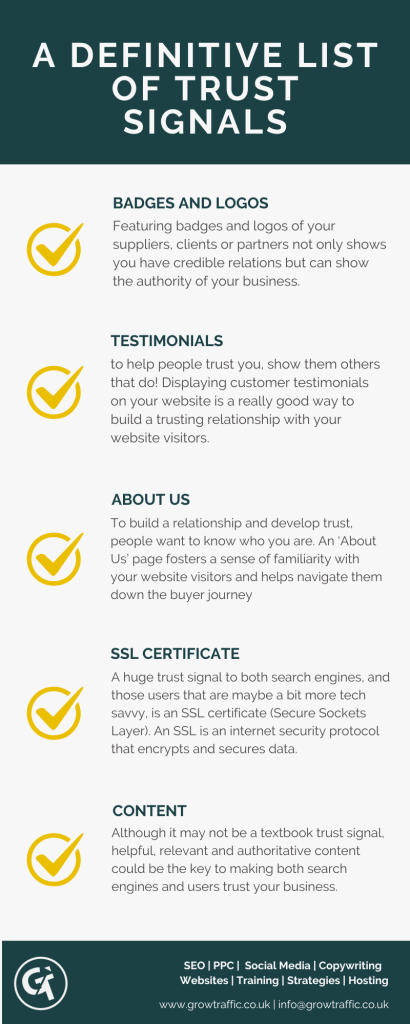
South African consumers are careful. They research before buying.
They look for:
Reviews
Testimonials
Real photos
Real people
What Builds Trust in 2026
Google Reviews
Client stories
Behind-the-scenes content
Consistent branding
Action Tip:
Ask every happy client for a short review. One sentence is enough.
How Trust Is Built Today
Trust is created through:
Real reviews
Real faces
Real stories
Consistent presence
Things like:
Google Reviews
Testimonials
Case studies
Behind-the-scenes content
These matter more than flashy graphics or viral posts. The Content Marketing Institute talks about industry gold standards for trust-based content that builds long-term audience loyaltly.
Video Builds Faster Connection Than Text

Video is no longer just for influencers.
In 2026, video helps service businesses:
Show personality
Explain services
You don’t need fancy equipment. A phone is enough.
Action Tip:
Create short videos answering:
Common client questions
What happens when someone works with you
A day in your business
What This Means for Service Businesses
If you sell a service, people are buying you — your skills, reliability, and professionalism.
Action Step:
Start collecting:
Short testimonials
Google reviews
Feedback messages
Even one good review is better than none.
Trend #5: Social Media Is About Visibility — Not Conversion

One of the biggest mistakes businesses make is expecting social media to do all the selling.
In 2026, social media has one main job:
👉 Visibility and connection
Platform Focus Beats Platform Overload
The myth of “being everywhere”
One of the most freeing digital marketing trends of 2026 is the shift toward focused visibility.
Instead of spreading yourself thin across every platform, businesses are winning by:
Mastering content for those platforms
Repurposing content strategically
Smart platform selection
Choose platforms based on:
Where your audience already spends time
Your content strengths (video, writing, visuals)
Your capacity to be consistent
This approach creates momentum instead of burnout.
What Social Media Is Best For
Staying top-of-mind
Showing personality
Educating your audience
Building familiarity
What Social Media Is NOT Good At
Closing complex sales
Explaining detailed services
Managing long conversations
That’s where your website and email system come in.
The Smart 2026 Approach
Social media → Website → Lead capture → Follow-up
Not:
Social media → hope → frustration
Action Step:
Use social media to send people somewhere — not to explain everything in one post.
Trend #6: Education-Based Marketing Is Winning

In 2026, people don’t want to be sold to — they want to be helped.
The businesses growing fastest are:
Teaching
Explaining
Guiding
Education-Based Marketing Builds Authority

People choose businesses that teach, not push.
Sharing knowledge:
Builds trust
Attracts better clients
Positions you as an expert
Action Tip:
Answer one common customer question online each week.
What Education-Based Marketing Looks Like
Short videos
Simple guides
Helpful social posts
You don’t need to give away everything — just enough to show:
“I know what I’m doing.”
Why This Works So Well
Education:
Builds authority
Builds trust
Attracts better clients
Action Step:
Answer one common customer question each week — online.
Trend #7: Local SEO Is More Powerful Than Ever

For South African service businesses, local visibility is gold.
When people search:
“Accountant near me”
“Hair salon in [city]”
“Plumber in [area]”
They are ready to act.
SEO Is Evolving — Not Disappearing
SEO in 2026 is about experience, not tricks
Despite the rise of AI search tools, SEO remains one of the strongest digital marketing trends of 2026 — but the rules have changed.
Modern SEO focuses on:
Clear structure
Helpful content
User experience
Fast loading speeds
Mobile optimisation
Search engines now prioritise content that genuinely helps people make decisions. Here's a beginner-friendly guide to modern SEO best practices released by MOZ.
Local SEO Is a Game Changer for Service Businesses

Google Search Central provides official guidace on creating search-friendly content
Action Tip:
Make sure your Google Business Profile is:
Complete
Updated
Filled with reviews
What this means for service-based businesses
Blogs should answer real questions
Websites should guide visitors clearly
Content should feel human and practical
SEO isn’t about keywords alone — it’s about usefulness.
What Helps You Show Up Locally
Google Business Profile
Reviews
Website with location pages
Consistent business details
Action Step:
Ensure your business name, phone number, and address are consistent everywhere online.
Trend #8: Communities Are Replacing Cold Audiences
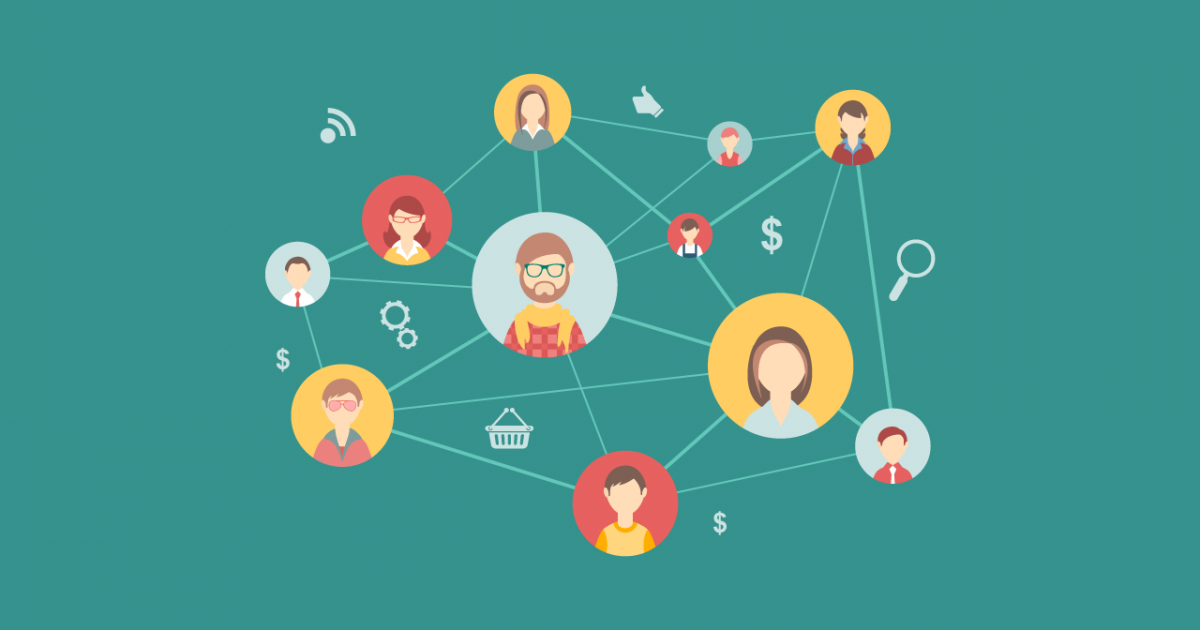
In 2026, businesses are moving from followers to communities.
Why? Because:
Communities build loyalty
Conversations happen naturally
Trust grows faster
Being part of a business community means:
You’re not learning alone
You get support and direction
You stay consistent
Communities create:
Loyalty
Consistency
Trust
In 2026, businesses grow faster when they build relationships — not just followers.
Action Step:
Join or create a space where your audience can connect — even if it starts small.
👥 COME JOIN OUR FREE CMART COMMUNITY TODAY!
Trend #9: Data Over Guesswork

In 2026, smart businesses stop guessing.
They look at:
Website visits
Form submissions
Email opens
Enquiry sources
This doesn’t require advanced skills — just basic tracking.
Action Step:
Know where your leads come from — even roughly.
Trend #10: Simplicity Wins in Design & Messaging

Clarity converts
Overdesigned websites and complicated messaging are costing businesses leads.
The digital marketing trends of 2026 show a strong preference for:
Clean layouts
Clear calls to action
Simple language
Easy navigation
Your audience should understand:
What you do
Who you help
How to take the next step
Within seconds.
Nielsen Norman Group specializes on user experiences and simplicity research on why simple but effective (smart) website design improves user experiences.
Marketing Systems Over Marketing Campaigns
Why one-off efforts don’t work anymore
Campaigns end. Systems compound.
One of the most powerful digital marketing trends of 2026 is the shift toward always-on marketing systems:
Evergreen content
Automated lead nurturing
Ongoing visibility
Scalable workflows
Instead of starting from zero each month, your marketing builds on itself.
According to a recent Harvard Business Review they recommend systems thinking for sustainable business growth.
HubSpot is a leader in the market to support and promote evergreen content for long-term marketing success.
Final Thoughts: What Matters Most in 2026
You don’t need to:
❌ Be everywhere
❌ Know everything
❌ Use complicated tools
❌ Follow More trends
❌ Have More pressure
You need:
✅ A clear & strong website
✅ Clear systems with simple automation
✅ Consistent visibility
✅ Trust-building content
How to Apply These Trends Without Overwhelm
The digital marketing trends of 2026 don’t require you to do everything.
They require you to do the right things — in the right order.
For South African service-based businesses, growth in 2026 comes from:
Clarity over complexity
Systems over stress
Strategy over speed
That’s exactly why we created a practical, step-by-step resource to help you apply these trends with confidence.
Start With One Smart Step
📩DOWNLOAD
the step-by-step digital marketing playbook we created for 2026
TOP Essential Digital Marketing Tools for 2026🚀
1. Mobile-First, Always
Prioritise mobile optimisation due to its primary role in internet access in South Africa. Ensure fast loading, easy navigation, and thumb-friendly content.
2. Personal Touch with a Data Brain
Leverage data, with AI assistance, to personalise marketing efforts (emails, ads). Recognise that data represents individuals with unique needs.
3. Video: The Storyteller Supreme
Utilise short, engaging videos (TikTok, Reels) and longer formats (tutorials, behind-the-scenes) for trust-building, incorporating local flavour.
4. Influencer Power (Micro & Nano Heroes)
Focus on smaller, niche influencers for cost-effectiveness and authenticity, as highlighted by research on micro and nano-influencers.
5. Authenticity & Ubuntu
Brands must be real, culturally relevant, and demonstrate a purpose with an actionable commitment to resonate with the South African spirit.
6. AI & Automation: Work Smarter, Not Harder
Employ AI for content ideas, ad targeting, and customer service, but maintain human strategy and oversight. AI should augment capabilities.
7. Shop Where They Scroll (Social Commerce)
Integrate social commerce with in-app checkouts and digital storefronts, as consumers are increasingly buying directly on social media.
8. Your Data, Your Rules (First-Party Data)
Build trust and collect your own customer data, which is highly valuable due to evolving privacy regulations.
9. Beyond Likes: Live & Interactive
Engage directly and in real-time through podcasts, live streams, and Q&As to build deeper audience relationships.
10. The Whole Shebang: Omnichannel
Ensure a consistent and smooth brand message across all channels (website, social media, WhatsApp, physical store) for trust and loyalty.
Challenges and Potential Hazards⚠️
The Challenges to Watch in 2026
South African businesses must still navigate:
Load shedding
Budget limits
Skills gaps
Online scams and fake news
Data privacy laws
The solution is not fear — it’s better systems and a smarter strategy. A recognized industry voice, Neil Patel, shares his opinion on what marketing really is all about and how to build a sustainable Digital Marketing System.
● The Digital Divide is Real
Unequal access to technology and internet connectivity remains a significant challenge in South Africa.
● Budget Blues & Skills Gaps
SMEs often face economic pressures, loadshedding, and a lack of funds or expertise for advanced digital strategies.
● Ethical Headaches (AI & Privacy)
Ensure AI is fair and respects privacy, avoiding sneaky data collection and adhering to regulations. Responsible AI and data use are paramount.
● The Authenticity Trap
Influencers must be transparent (#Ad!), and brands must avoid insincerity or "greenwashing." Consumers are discerning and quick to identify inauthenticity.
● Local vs. Global
Adapting global trends to South Africa's diverse landscape is challenging; a one-size-fits-all approach is ineffective. Understanding local cultures and languages is crucial.
● Misinformation Mayhem
Social media's rapid spread of fake news requires brands to be vigilant and proactive in communication to protect their reputation.
Future Trends (Crystal Ball Gazing)🔮
→ AI Gets Even Smarter
AI will increasingly assist in decision-making, trend prediction, and customer interaction, including in local languages.
→ Hyper-Localised Content
Expect more South African content reflecting diverse local experiences and tailored to specific regions and communities.
→ Community is King (and Queen)
Private groups, direct messages, and niche communities will be vital for building loyal customer bases.
→ The Retail Media Revolution
New advertising opportunities will emerge within retail platforms.
→ Accessibility for All
Digital platforms will improve features to ensure engagement for users with disabilities and diverse language preferences.
→ Analytics on Steroids
More sophisticated tools will provide deeper insights into audience behaviour and campaign optimisation.
Action Plan for Digital Domination✅
SMEs should focus on mobile optimisation, authentic audience engagement, and utilising data and AI as strategic tools. Continuous learning is essential. The digital future for SA SMEs is promising for those prepared to adapt and embrace its evolving dynamics, creating an ecosystem of authentic engagement guided by technology and ubuntu.
📩Download our free Digital Marketing Playbook for
service-based businesses
Inside the Playbook, you’ll discover:
How to structure a smart digital ecosystem
What to focus on first (and what to ignore)
Practical steps tailored for service-based businesses
A simple roadmap to build visibility, trust, and growth
This playbook is designed to remove confusion and help you take focused action — without overwhelm.
If you’re unsure where your business stands, start with clarity.
Ready to Grow Smarter in 2026?
2026 belongs to businesses that:
Build intentionally
Use technology wisely
Focus on people, not hype
You don’t have to do this alone.
If you’d like help simplifying your systems, improving your digital presence, and growing sustainably, CMART is here to support you every step of the way.
👉 Try our FREE SMART Website Scoring Tool
It shows how well your website supports your business growth — and what to fix first.
Here are a few Frequently Asked Questions to help you make better decisions in 2026:
1. What are the most important digital marketing trends of 2026?
The most important digital marketing trends of 2026 include automation, AI-driven systems, trust-based content, platform focus, evolving SEO, and building owned audiences through email and communities.
2. How can small service-based businesses apply digital marketing trends in 2026?
By focusing on systems instead of scattered efforts, choosing fewer platforms, using automation wisely, and creating clear, helpful content aligned with customer needs.
3. Is social media still important in 2026?
Yes, but it works best when paired with owned platforms like websites and email lists. Social media attracts attention; your systems convert it.
4. Does SEO still matter with AI search tools?
Absolutely. SEO in 2026 prioritises helpful content, user experience, and clear structure — all of which benefit both traditional and AI-powered search.
5. What is the biggest mistake businesses make with digital marketing in 2026?
Trying to do everything at once instead of building a simple, connected system that supports long-term growth.
✨Start 2026 With Clarity✨
If you’re unsure how well your website supports your business growth:
👉 Try the FREE SMART Website Scoring Tool
It shows where you’re doing well — and where to improve first.


About Us
Brand your success with personalized promotional merchandise that captivates your audience.
Contact Us
196 Willson street, Fairland, Randburg Gauteng 2170
Phone: 060 070 2341
Email: [email protected]
Copyright© 2026 CREATIVE MEDIA AGENCY - All Rights Reserved.
Facebook
Instagram
Youtube